The Gifts of the Plant People

Judy Bluehorse Skelton discusses indigenous ways of developing a relationship with the plant world and native herbalists’ lifetime commitment to herbal medicine.

Arle Neskahi:
This is Wisdom of the Elders. I’m Arlie Neskahi.

Judy Bluehorse Skelton is Nez Perce on her father’s side of the family and her mother is Cherokee. Today Judy speaks of herbal medicine and the native way of making relationships with the plant people.

Judy Bluehorse Skelton:
Native people have been using, and working and have had a unique relationship with the plant people for thousands of years. Our traditional knowledge of the gifts of the plants was shared with the first arrivals from Europe. They, too, have, and had, an herbal tradition. And when they arrived, they were anxious to understand and to learn what our plants here were used for. Many of them were unique and not found in Europe. The tribes were very generous in sharing this information, and in fact, the U.S. Pharmacopoeia, which is a large volume, large book, that is published annually, contains all the medicines sanctioned for doctors to dispense as medicine. Much of that information about our plants was provided by Native people, Native healers.

It wasn’t until the 1950s and 1960s that much of our plant medicine was actually purged from the U.S. Pharmacopoeias. If you pick up an old used one, you’ll find echinacea in there. You’ll find Oregon grape. You’ll find all sorts of plants that the medical profession felt no longer were valuable once antibiotics were discovered. And so they took them out. And what’s interesting today, as we find antibiotics less and less effective. We’ve built up tolerances to them. The bacteria have mutated so that they no longer respond to that antibiotic, that our old plant medicine, many of which have antibiotic properties, anti microbial, anti bacterial. As I tell the kids, all the “anties,” Kills bacteria, kills microbes are still there for us,and they work very effectively against some of these microorganisms that the antibiotics are no longer having much effect on.

Because herbal medicine is becoming so popular, many of us herbalists are being asked to share a lot of information, and is typical in our modern, American society, people want immediate gratification. They want the instant answer or easy answer. And herbal medicine is a lifetime commitment. It’s a life study. It’s a life work. And while there are many books out today on plant medicine, plant ID, how to make salves, how to make teas, I encourage anyone who’s interested in herbal medicine to find someone to study with, to go out with, and to start cultivating the relationship with the plants. Be out in the garden, be out in parks. If you can get out of the city, if you’re out of the city already, just take a walk. Introduce, get introduced to the plants. Start spending quiet time with the plants. They’re your first teachers. But find someone to, to be with, to apprentice with. And get to know the plants.

Music:
Keith Secola
Wassnondae
Circle
Akina Records

Traditionally plant knowledge comes from dreaming. To dream of a plant, it will share many of its gifts. And those will be the way that that plant can be used by you for many different conditions. It will become clear, or be made clear to you how to use the plant. That’s the old way.

This kind of learning or experience doesn’t lend itself easily to book learning. And this is very frustrating to American society who values the written word above oral tradition, who would rather read about the knowledge than experience the knowledge first hand. And so many of the books out there may give a list of plants that would be good for hypertension, high blood pressure. And one feels overwhelmed. “Which one do I use? Which one’s right?”

And that’s where your unique relationship with the plants is the most valuable. You need to be able to discern, to judge for yourself, if this is the right plant for this person at this time. Another traditional way of learning and understanding plant medicine is the idea that if I were treating hypertension for my father at a certain time, there’s a particular hawthorn tree that I would gather from. There may be ten out in the meadow that I’m looking at. But the one that’s right for him at this time is the one that I will go to and gather from and prepare him medicine from. This also does not lend itself to be easily written. How does one learn how to discern which of those ten hawthorn trees to gather from for this one person for this time?

When you begin to understand Native healing and plant medicine from this perspective, then you can see where it’s very different than reading a book, running down to the store and buying a bottle of hawthorn extract and caps. You’re probably going to have a different kind of experience. I’m not saying the medicine won’t be as good. A lot of what makes good medicine is your intention and your energy behind it. What you bring to it. That’s always been a very big part of healing, is the energy and the intention and the state of mind and the preparation of the person doing it.

Music:
Keith Secola
Wassnondae
Circle
Akina Records

As herbal medicine becomes more popular, you will need to educate yourself about where plants are grown, how they’re grown, how they were gathered, if they were all done in a good way, Were thank-yous offered? Did someone leave corn or tobacco or some other gift? And these change the medicine.

I was also taught you don’t make medicine when you’re upset. You don’t make medicine when you’re angry. It comes right through the medicine. And so to make medicine, to make a tea, to make a salve, to make a poultice, to cook food – that’s our first medicine – just to cook food. No one hardly cooks anymore. They gave a shocking statistic how many fast food meals people ate in a week. I can’t remember but it was very high! But just to cook a meal from the heart!

You know, we think of these terms like the secret ingredient, that special thing, and–is grandmother’s love. You can’t buy that! And that’s the same ingredient when you’re making medicine that has to be there. It’s love. So, if you’re interested in learning more about herbal medicine, or plant medicine, one begins by preparing oneself for that relationship, because it is not entered lightly and it’s a lifelong work.

Neskahi:
Judy Bluehorse Skelton practices and teaches her craft in order that her relationship to plant people shall carry through to generations. This is Wisdom of the Elders. I’m Arlie Neskahi.

Wisdom of the Elders 2026 Summer Newsletter A paid internship, now enrolling. Plus elders' voices, mapped to the land they came from.
Wisdom of the Elders, Inc

What We Plant, We Pass On

Wisdom of the elders Multimedia Services

Greetings, Friends of Wisdom,


The summer season has a way of moving fast, and this season has been no exception. Between fieldwork, new partnerships, and the everyday work of listening and preserving, our community showed up for each other and for the land we share.


We're grateful for every hand that helped make this season count, and we're glad to share a bit of it with you here. 


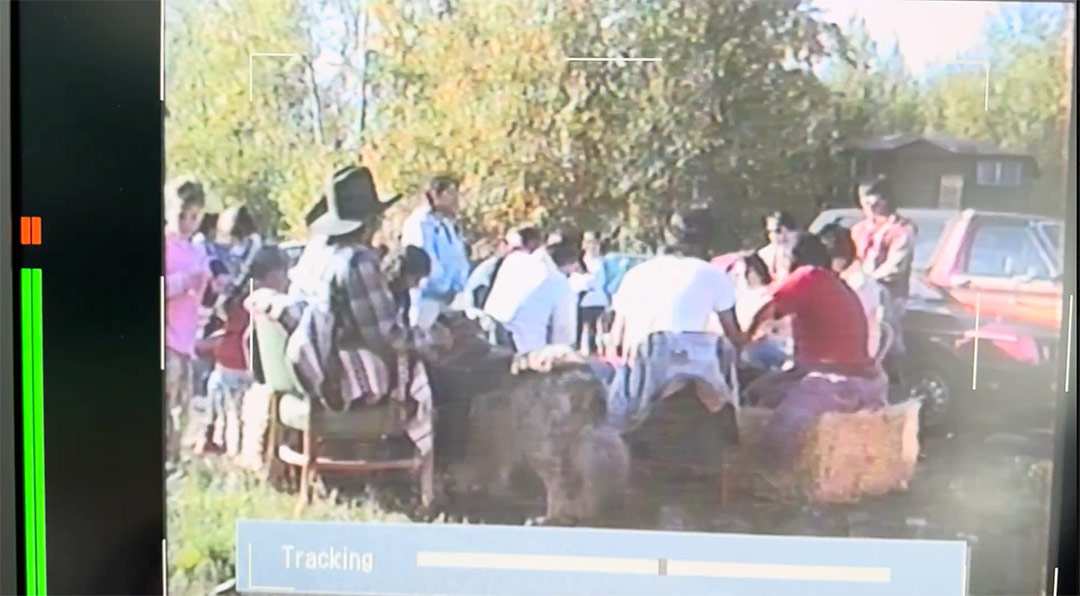
Our Wisdom of the Elders archive continues to grow, with new conversations from our tape collection making their way online – elders speaking in their own words, no interruptions, no filters. There is something about hearing a story the way it was actually told, at the pace it was actually told, that no summary has ever managed to hold.


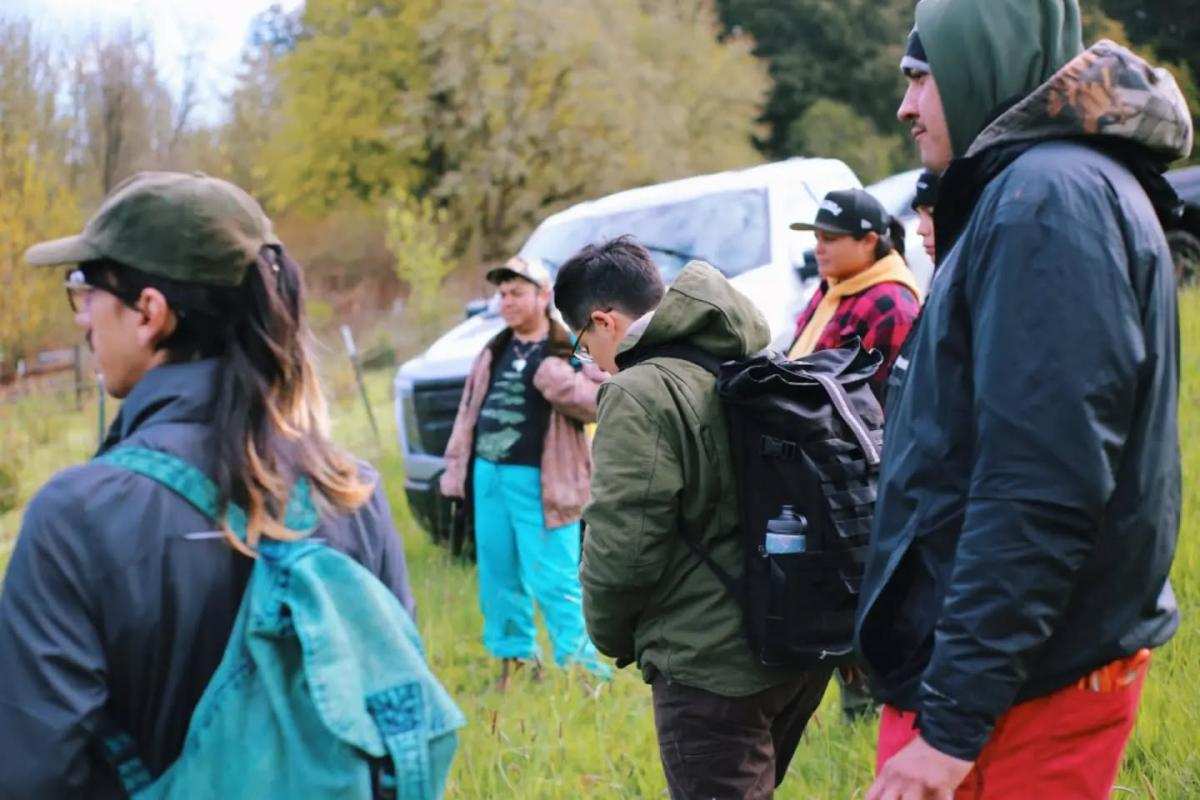
We've also been out in the field this summer with our Indigenous Traditional Ecological Knowledge (ITEK) crew, capturing the land stewardship and ecological knowledge work that grounds so much of what we do.


Stephanie Craig


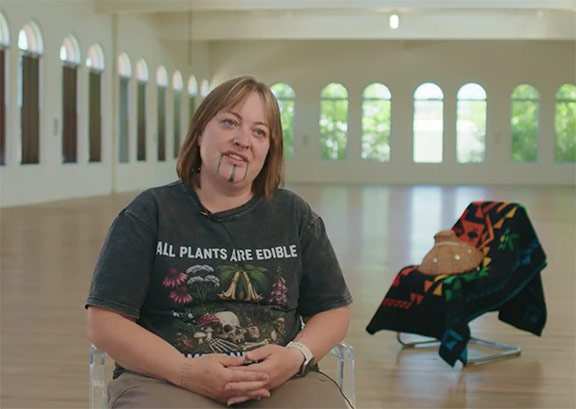
We spent time with Stephanie Craig, a 7th-generation Kalapuya weaver and an enrolled member of the Confederated Tribes of Grand Ronde, documenting her basket-weaving practice for an upcoming series, Seven Generations of Knowledge, carried in a pair of hands.


Watch The Featured Video
ITEK Partners

It Takes Many Hands

We're also proud to be part of the BRANCH Coalition, a group of organizations working together on invasive species removal, native plant restoration, watershed stewardship, and care of urban green spaces across the Portland area.


Our partners in this work include Portland Parks, Urban Forestry Project, Connecting Canopies, The Blueprint Foundation, Depave, Friends of Trees, Verde PDX, Columbia Slough, POIC, APANO, BPI PDX, and the City of Gresham. It takes many hands to care for this land well, and we're grateful to do so alongside organizations that share the same commitment.


Wisdom Digital Archive Initiative 

Multimedia: Putting 30+ years of Archival footage on the Map

Behind the scenes, we're preparing our full video library for a larger public home so more people can access this work. Our web team is also building out a major piece of our Digital Archive Initiative: an interactive online story map that will let visitors explore our archive by place, connecting oral histories, video, photographs, and traditional ecological knowledge directly to the land they come from.


The stories will no longer live in a list. They will live where they happened so that someone can open the map, find a place they know, and hear an Elder speak about it. It's one of the more ambitious projects we've taken on, and we can't wait to bring it online.


Board of Directors and our Wisdom Radio Program

We're also working closely with our Board of Directors on a full relaunch of our Radio Program, with plans to bring it to every major platform, making it easier than ever to listen wherever you are. Stay tuned; this one's been a long time coming, and we're excited to share more soon.


2026 ITEK Fall Internship

Fall 2026 Indigenous Traditional Ecological Knowledge Internship Enrollment is Now Open!


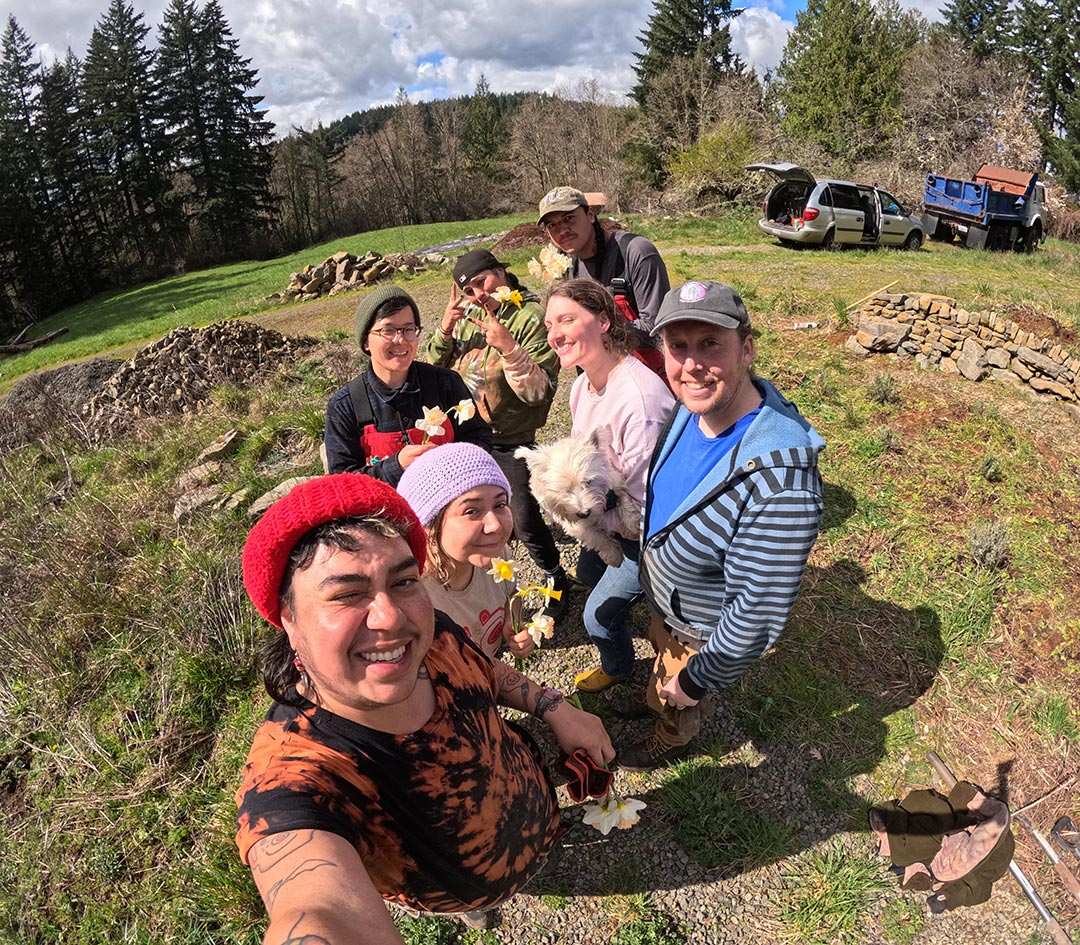
We're excited to announce that enrollment is officially open for our Fall 2026 ITEK Internship, and we can't wait to welcome our next cohort! We're accepting applications from anyone passionate about Environmental Conservation & Restoration and how Wisdom integrates Indigenous Traditional Ecological Knowledge (ITEK) into our work.


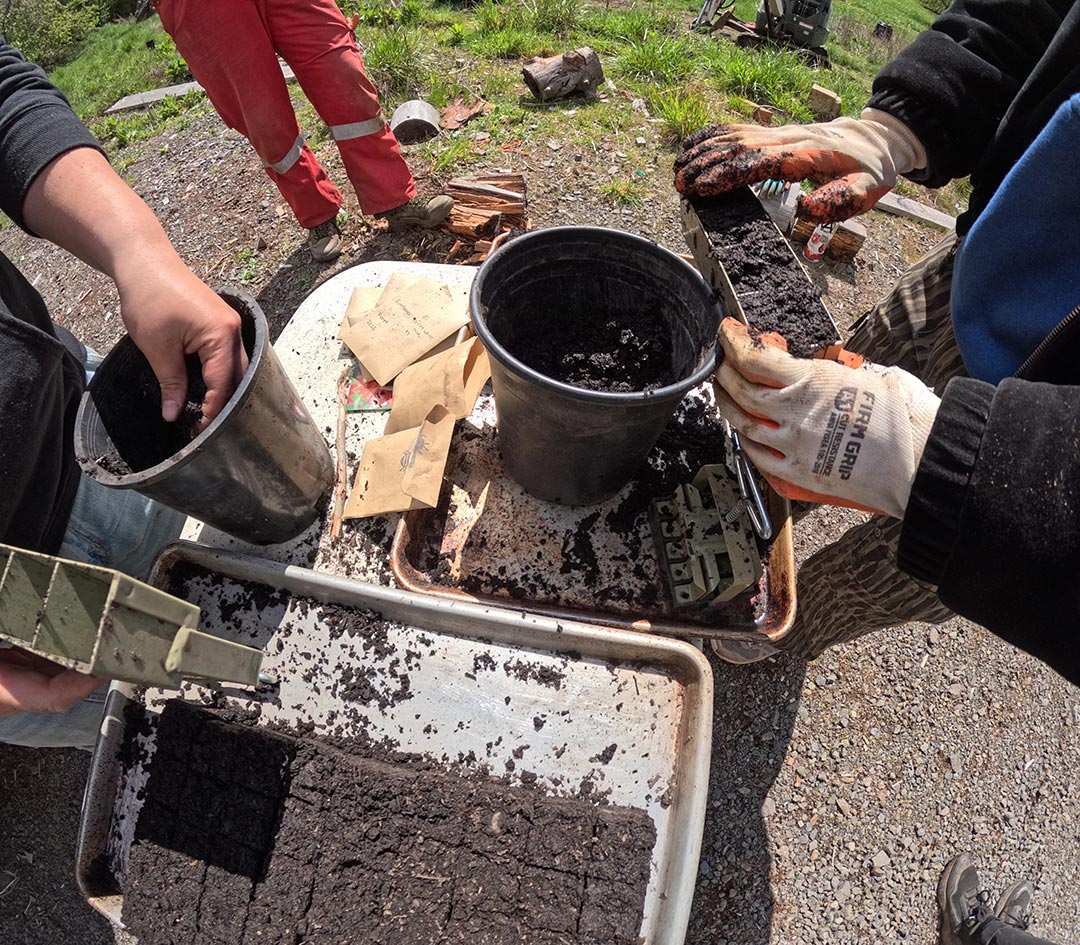
This paid 12-week program combines hands-on fieldwork with partner organizations, along with in-person and online sessions covering ITEK, STEAM-related concepts, and Native American cultural arts and plant knowledge. Interns earn $19.00 an hour. It's a hands-on, heart-forward opportunity to build real skills while deepening your connection to land and community.


Spots are limited, so don't wait! 


You can read more about the program here and apply here


Questions are always welcome. Contact 


dawn@wisdomoftheelders.org and carmelina@wisdomoftheelders.org


We can't wait to see who joins us this Fall!


ITEK VIDEO

Save the Date 

Wieden+Kennedy: Dec 5, 2026 

Seeds of Wisdom Event


There's one more thing we've been building toward, and we're glad to finally share it.


Later this year, we'll gather in person for Seeds of Wisdom, our end-of-year fundraiser, hosted at Wieden+Kennedy here in Portland. Wisdom of the Elders is creating an event centered on Indigenous storytelling, environmental stewardship, and workforce development the same three threads that run through everything you've just read. It felt right to bring them into one room.


We're looking for partners who want to support meaningful community impact while helping amplify Native voices and leadership in Portland and beyond. If that sounds like you, or like an organization you're part of, we would love to hear from you. We're building our partner roster now, which means there's still real room to help shape what this evening becomes.


***As a note for those who have supported us through Willamette Week's Give!Guide in past years, we're not part of Give!Guide this season. 


We've Joined Earth Gives


Earth Gives is a nationwide platform connecting donors with organizations advancing solutions for people and the planet.


It is a natural fit for us: our work has always lived where cultural preservation and ecological stewardship meet the archive and the watershed, the storyteller and the seed, and Earth Gives puts that work in front of people across the country who care about both. 


Our end-of-year giving runs through Seeds of Wisdom and Earth Gives and we hope you'll join us there instead.


If you've been looking for a simple way to support what you've read about here, this is it.


Want to stay closer to what we're up to day-to-day? Find us on Instagram, Facebook, and YouTube; more is coming there soon, including TikTok and Threads.


There's more coming this fall. Thank you for being part of it.


Wisdom of the Elders, Inc.

Portland, Oregon

wisdomoftheelders.org


Donate Today

Join Our Community: Follow Us!

We are growing our digital community and want to stay connected with you! Follow us for updates on our latest films, internship applications, and environmental restoration projects across the Portland Metro area.

Copyright @ 2026 Wisdom of the Elders, Inc, All rights reserved.

3917 NE Shaver st. Portland, Oregon 97212